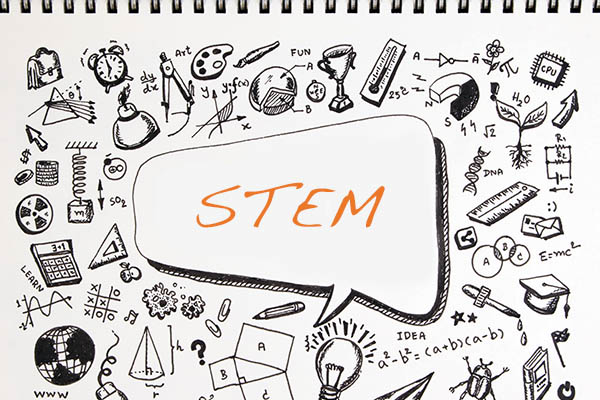
Mastercard, as part of its ongoing commitment to support girls studying STEM in Australia and raise awareness around women in sciences and technology, has just...
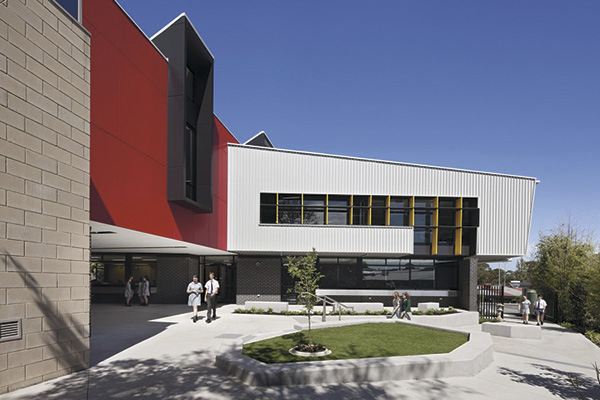
We spoke with staff and students to find out how Zoom video conferencing platform has helped Haileybury school to provide a better learning experience and...
Digital transformation is changing the way we live, work and, more recently, how we learn. Educators across the globe have realised the benefits of new...
Click here to watch this short video case study in which we show you how a government school took back their classrooms through a complete technology...
BenQ, a global leader in DLP projector technology, recently launched a palm-sized projector designed to cope with hard use in a variety of environments. GS1...
by Emily MacLean Technology has become a vital component of our everyday lives and changed the classroom environment. With easier access to information and the...
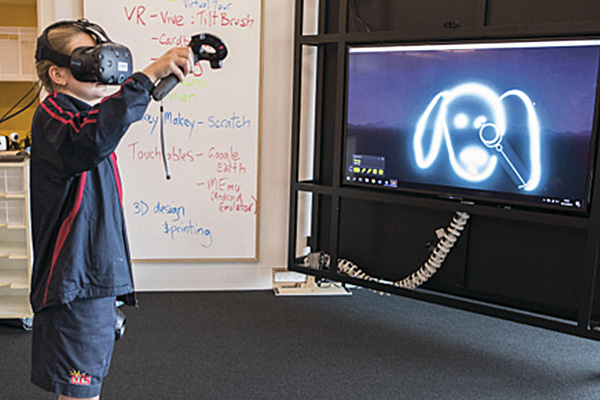
What is Virtual Reality? Virtual reality is commonly called VR. It describes the use of digital technology to create a simulated environment. VR places the...
[…] 22. Why Australian universities need to innovate, invest and transform to remain globally competitive – Education Technology Solutions, accessed on February 9, 2025, https://educationtechnologysolutions.com/2022/12/why-australian-universities-need-to-innovate-invest…
[…] Olsen writes in “Virtual Pedagogies for Contemporary Teaching” (2011) educators are faced with having to rethink the quality of what they produce […]























































































































Recent Comments
[…] 22. Why Australian universities need to innovate, invest and transform to remain globally competitive – Education Technology Solutions, accessed on February 9, 2025, https://educationtechnologysolutions.com/2022/12/why-australian-universities-need-to-innovate-invest…
[…] Learn More: Education Technology Solutions […]
[…] The Maker Movement – Retinkering Education […]
[…] Olsen writes in “Virtual Pedagogies for Contemporary Teaching” (2011) educators are faced with having to rethink the quality of what they produce […]
[…] of these ‘digital natives’, a number of educational institutions are also increasingly turning to messaging […]